
Transportation Troubleshooting: Let’s Look at Vision Zero for a New Road Safety Mindset
I remember when automobile drivers and passengers could legally choose not to wear seat belts. Since the mid-1980s, legislators have taken away that choice in every state except for New Hampshire. But the result—thousands of lives saved and serious injuries prevented—has undoubtedly been worth giving up the dubious freedom to go beltless. Better Vision Today, as we see roadway fatalities rising and a disturbing 50-percent increase in pedestrian deaths during roughly the last decade, many t...

Thoughts From Engineers: Peeling Back the Pavement to Manage Stormwater in Great Lakes Communities
Urban spaces have evolved through the decades to reflect the needs of the people who live there. Through time, we buried wetlands to build roads and paved stream corridors and other natural spaces to drive water efficiently to the nearest exit. We built the infrastructure necessary to move wastewater and imposed uniformity and order with parking lots, buildings and other hardscapes. For decades, our engineering held up masterfully until the intensity of recent storm events overwhelmed even the m...

Decarbonizing Infrastructure: Why Data, Collaboration and PAS 2080 Are Critical to Success
In the UK, construction activity accounts for around 50m tonnes of CO2 emissions , with cement and steel used for infrastructure being significant contributors. For the UK to meet its statutory climate targets, a whole lifecycle approach must be adopted to ensure the design, execution and operation of infrastructure delivers carbon savings. To make this possible, many actors within the supply chain are beginning to move toward PAS 2080 accreditation. COWI is one of the first engin...

How AI and Cloud Technology Are Driving Digital Disruption in Capital Infrastructure
The capital infrastructure industry is ripe for disruption. According to a recent survey conducted by KPMG, more than two-thirds (69 percent) of capital construction projects are delivered late and over budget. At a time when countries such as the United States are investing heavily in new infrastructure projects as part of broad-sweeping government initiatives, costly delays and over-stretched budgets are becoming a real cause for concern. The days of overpromising and underdelivering are comin...

Water Works: Making Stormwater Control Measures More Resilient
Resiliency can be defined as the ability to bounce back under stress, and it’s an important topic as it relates to stormwater infrastructure. More-resilient stormwater control measures (SCMs) must be designed to meet tomorrow’s design needs. Across the globe, communities are facing increasing stressors brought on by stronger, more frequently occurring storms associated with climate change. These intense events exacerbate existing drainage issues created by increasing urbanization within our c...

From the Editor: We Need to Rapidly Replenish the Engineering Workforce
In 1971, the year I was starting my career, the job market for civil engineers wasn’t very strong. I received one job offer and many letters stating the employer would keep my resume on file in case anything should turn up. Most of my colleagues from that time had similar experiences. The interstate program was slowing down, and inflation was high. My fellow graduates and I accepted whatever offers we received. Some who could afford it went on to graduate school. I started my career with the...
Thoughts From Engineers: Gearing Up for Resilience
The United States continues to move forward with plans to rebuild the country’s infrastructure with allocations from the Bipartisan Infrastructure Bill, Inflation Reduction Act and other sources. A critical shift also has been triggered to integrate resilient planning and design standards into key infrastructure, fortifying communities against extreme storms and climate-driven events. The federal government has launched more-urgent policy initiatives, and, at President Biden’s direction, federal...

Executive Corner: The Impact on Valuation of Section 174 Changes (R&D Expense Deductibility)
Although the research and development (R&D) tax credit has existed since the 1980s, it’s only been during the last decade or so that evolution in the tax code has expanded eligibility for this credit and popularized the tax strategy among architecture, engineering and environmental-consulting firms. Tax Liabilities Coming Due For years, many A/E firms developed systems for identifying and tracking eligible research and experimentation expenses and have benefited from the associated tax cre...
Transportation Troubleshooting: Coordinated and Adaptive Ramp Metering for Faster, Safer Highways
I doubt any driver likes being held back by a traffic signal while trying to enter a highway. But from a regional traffic-management perspective, there’s a lot to like about the potential to use ramp metering to improve traffic flow along congested highway corridors. What’s the CARM? With vastly more-powerful traffic sensors, computers and software than in the early years of ramp metering, transportation managers can holistically operate highway corridors and surrounding arterials to mitig...

Infrastructure Outlook: Real-Time Continuous Condition Monitoring Drives Safety and Environmental Integrity
Companies that build, operate or service large infrastructure installations such as dams, mines and transportation facilities must monitor the conditions within—and surrounding—those installations to look for signs of possible structural degradation or environmental impact. In today’s world, where regulators and the public are paying closer attention to public safety and the environment, it’s becoming critical for organizations to automate the measurement of a growing range of parameters—in real...
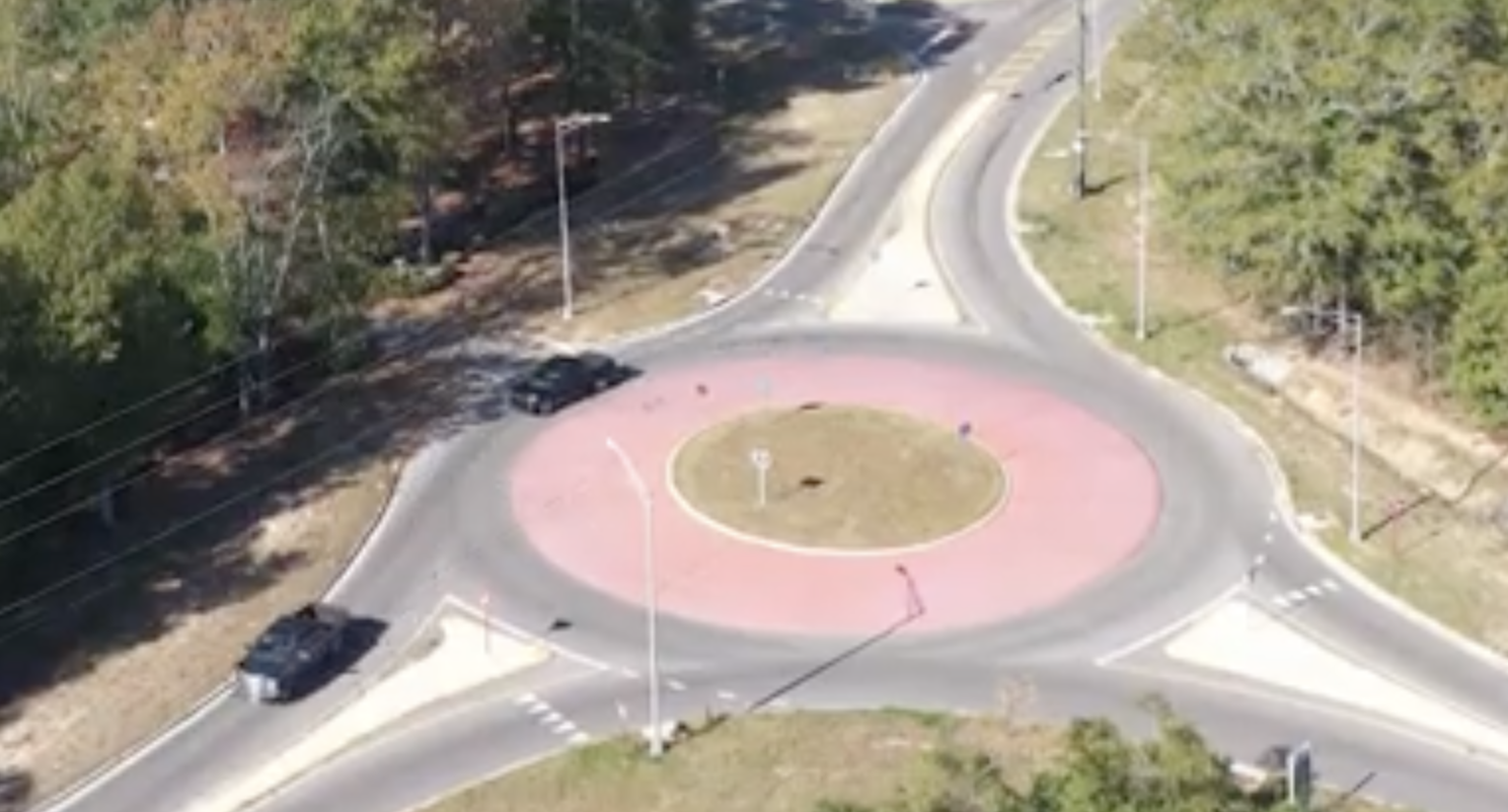
Video: New Roundabout Under Construction at McIver and Old Florence Roads in Darlington County
Promenade at The Point

June Issue 2026
.jpg?width=225)