
Water Works: Bench Strength: Can We Do More To Prepare the Next Generation of Stormwater Professionals?
On the surface, baseball and stormwater management are not intricately linked; but, as dedicated stormwater and water-quality professionals, we may be well served to look to America’s pastime as we work to restore receiving waters. No, I’m not suggesting we’re going to brush back water-quality issues with a “high heater,” but we would be wise to ensure we’re developing young talent to fill our ranks in the future. Most would agree that a critical component of a consistently successful basebal...

Engineering The Future: The Future Starts Now
One of the new catch phrases in our field is “Smart Infrastructure.” My gut response: if this is what we’re doing now, were we building “dumb infrastructure” for decades? But seriously, we’re now looking at designing solutions that have many elements of AI and consider the asset’s lifecycle from the ground up. We’re regularly looking at the “cradle to grave” approach, from planning to design, construction, operations and ultimately decommissioning. As engineers, we look not at disparate eleme...
From The Editor: A Different Type of Solar Harvesting in the Fields
Driving through rural Starke County, Ind., in various seasons will provide visitors a varied image of this part of the state. In late February, the land is gray and brown, harvested and barren from the last fall and winter; unless, of course, it’s covered in snow. Occasionally there are herds of cattle and goats and perhaps some horses. You can see for a long distance on either side of the road all the way to the tree line in the distance marking the end of one farmer’s field and the beginning o...
Executive Corner: Manage Conflicts of Interest When Selling Your Shares Internally or Externally
The “Executive Corner” column has discussed conflicts of interest in the past, but it’s worth revisiting to remind companies of their fiduciary obligations to minority shareholders, especially considering the recent number of mergers and acquisitions in the architecture, engineering and environmental consulting industry during the last few years. According to government statistics, through the next seven years, 10,000 Americans per day will be retiring—more than 25 million people. As firms explo...

Transportation Troubleshooting: The ‘Four C’s’ of High-Speed Rail Build Support for the Long-Term Vision
Enhancing passenger rail service can improve the lives of millions of Americans by cutting the time they spend commuting, reducing air pollution and greenhouse gas emissions, and enabling new growth patterns such as transit-oriented development, where rail stations serve as hubs for mixed-use communities of homes and businesses. But the real game-changer will be high-speed intercity passenger rail. A level of service that people in China, Japan, the United Kingdom (UK) and Europe have long ha...

Getting Geotechnical: Calming the Storm with ESCS
Storm intensity and the loss of pervious surfaces pose significant challenges for infrastructure design. When stormwater is unable to drain properly, it can flood around buildings. Unfortunately, extended saturated conditions can damage aging foundations and erode soils, potentially leading to uneven settlement, cracking and bowing. But complex stormwater solutions can be cost- and maintenance-intensive, making them impractical for many projects. To meet the challenge, low-impact development...

Thoughts From Engineers: Designing for the Next Storm
Civil engineers use a range of hydrologic methodologies and software—from the widely used Rational Method to U.S. Army Corps of Engineer’s HEC-HMS to the Environmental Protection Agency’s SWMM and countless others—to model the flow of surface runoff and design stormwater management systems suited to a specific level of acceptable flood risk. So long as rainfall patterns remained consistent with historical Intensity Duration Frequency (IDF) curves, our models—and the resulting infrastructure—held...

Engineering The Future: The Future Starts Now
Maria Lehman will be writing a regular column for Informed Infrastructure, starting with this April 2024 issue. Shortly after becoming ASCE president, she was interviewed for an April 2022 cover feature: bit.ly/3IkrT1a. “Engineering” and “passion” are two words rarely seen together, so when they are used collectively, you can’t help but pay attention. I have an incredible passion for engineering and how it creates the foundation for a healthy, prosperous and resilient future. I’m very t...
From the Editor: Looking Into the 2023 Rearview Mirror
We experienced some major events in 2023—some exceptionally good and others rather distressing. This review is a somewhat personal look at some of the positive developments and accomplishments, especially in the world of infrastructure and events that affected me (and, I suspect, many of you). Except for this statement, I will refrain from discussing the obvious wars and destruction that affect so many people in the world, and I hope peace soon will come. The Economy It’s difficult for me...
Executive Corner: Five Takeaways on 2023 A/E M&A Activity
Despite an overall slump in M&A deal volume globally, the A/E industry wrapped up 2023 with yet another busy year of elevated activity. Shrugging off recession worries and higher interest rates, confident strategic and financial buyers showed no signs of slowing down their appetite for synergistic targets across a variety of disciplines. With a relentless war for talent and favorable design outlook as tailwinds, organizations are boldly seeking to transform, diversify and scale to position thems...
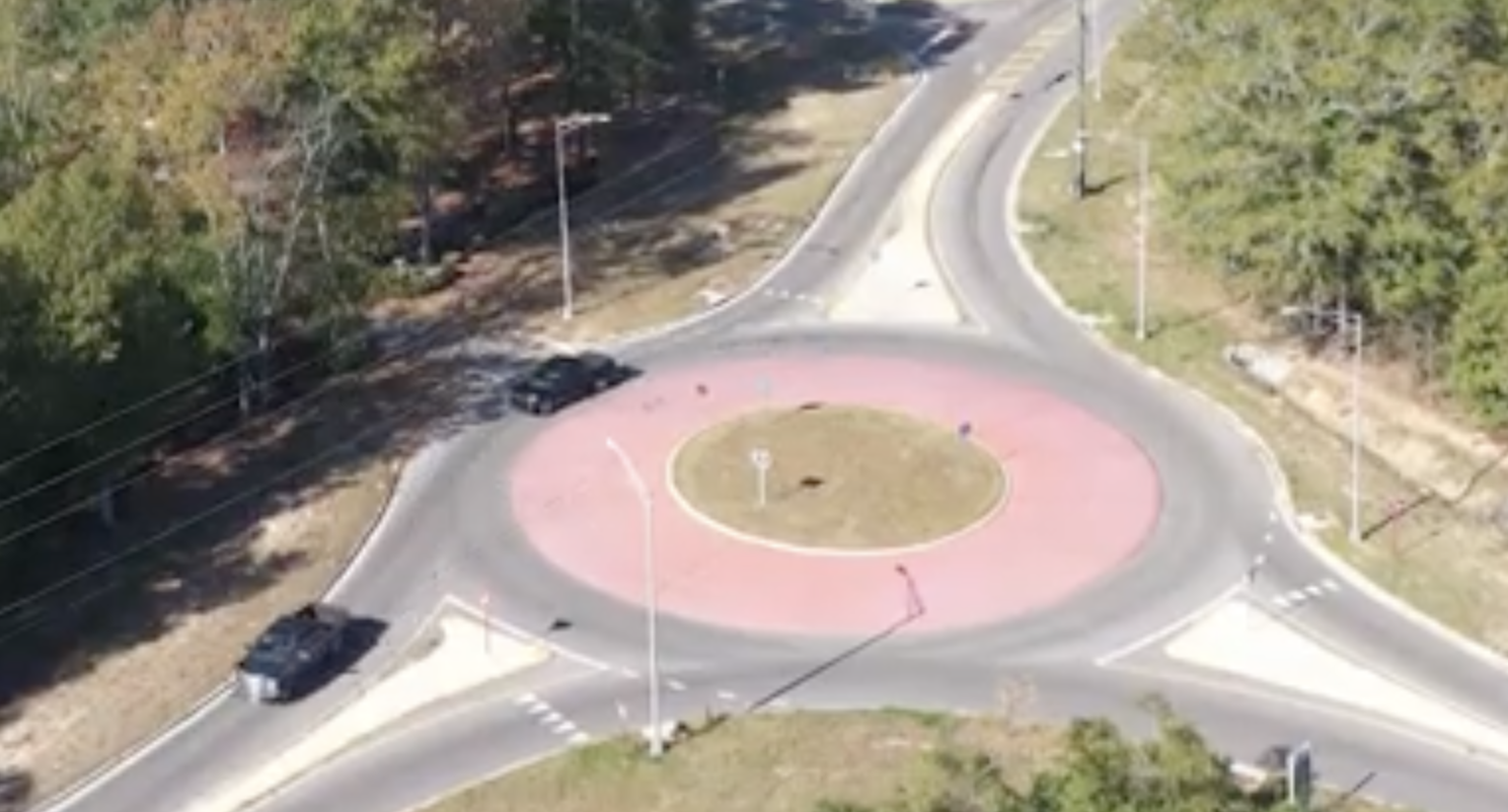
Video: New Roundabout Under Construction at McIver and Old Florence Roads in Darlington County
Promenade at The Point

June Issue 2026
.jpg?width=225)