
Thoughts From Engineers: Climate Adaptation Planning through Stress Testing
In this age of climate uncertainty, water systems of different scale and scope—from large dams to riverine ecosystems to reservoirs and other water-supply systems—are increasingly vulnerable to shifting hydroclimatic conditions. The question of how to mitigate risk and build resilience into these systems gains relevance daily. Global Climate Models (GCMs) have been in development for decades. They continue to evolve with new data and are viewed by many entities as primary sources of insight for...

Engineering the Future: Engineers Must Share Their Infrastructure Stories
We’re all busy delivering on the infrastructure we need to sustain a healthy economy. But have we done our job in letting the world know? The core tenant of engineers’ code of ethics is “to protect public health, safety and welfare.” So, we need to tell the story. No one under 40 watches the 6 o’clock news or reads the newspaper in the morning. Social media is full of polarizing headlines, articles and manufactured information—yet that’s where many get their “news.” Now, more than ever, we mu...
From the Editor: Yes, I’ll Be On the Roundabout
I recently read about a study the North Dakota Department of Transportation (DOT) completed on 12 of the 14 roundabouts on its state highway system. It showed a reduction of crashes by 33 percent and fatal crashes by 59 percent. While this is great news, it’s not surprising. Similar results have been achieved across the country. The Federal Highway Administration reports roundabout installations lead to a 44-percent reduction in crashes and a 72-percent reduction in serious injury or death crash...

Transportation Troubleshooting: How Drone Technology Is Adding New Perspectives to Transportation
The impact unmanned aircraft systems (UASs) are having on society extends far beyond stunning images and cinematography. In transportation, “drones” are saving lives, preventing injuries, reducing costs and accomplishing in hours or days what once took weeks or months. UAS deployment in transportation has expanded dramatically. In 2018, less than half of state departments of transportation (DOTs) utilized UAS, but by 2023, every state DOT had deployed drones, according to WSP’s Aerial Innovat...
Thoughts From Engineers: Unraveling the History of U.S. Flooding
In an era in which flooding routinely tops the list as one of the costliest disasters in the United States, a book that distills the most-significant aspects of this issue in a probing retrospective spanning nearly two centuries couldn’t be timelier. Tim Palmer’s book, Seek Higher Ground—The Natural Solution to our Nation’s Flood Crisis, examines in equal measure federal and local policies, forthright—but often ignored—leadership, regional case studies, and historic as well as recent flood recor...

Executive Corner: Special Report from the AI Summit for AEC
For this “Executive Corner” column, I will discuss BST Global’s AI Summit, an industry-first event focused on all things AI for the AEC industry. I interview Javier A. Baldor, CEO at BST Global (email: [email protected]). JAVIER A. BALDOR CEO AT BST GLOBAL Ryan: I’ve heard rave reviews about BST Global’s AI Summit held in April 2024. Can you tell me more about the event? Baldor: We had an idea to bring the industry’s brightest minds and visionaries from the world’s top design, e...

Getting Geotechnical: All Roads Lead to Soil Improvement
The soil beneath a pavement often is integral to long-lasting infrastructure. It supports the structural and load requirements of roads, bridges and abutments while contributing added resilience to flooding and erosion by allowing free water drainage. When soil amendments are recommended, engineers have a few paths toward improvements. For example, soil compaction and stability offer different benefits to infrastructure projects and are governed by distinguished standards. This column looks a...
Engineering the Future: Global Survey Reveals Perspectives on Intergenerational Equity Seen Through an Infrastructure Lens
“We don’t inherit the earth from our ancestors, we borrow it from our grandchildren,” is an insightful Native American quote attributed to Chief Seattle. It’s also my personal favorite definition of sustainable infrastructure. We need to leave our home at least as good as it was for us or even better. We’re seeing climate and manmade stressors wreaking havoc on our communities; the costs to individuals, institutions, businesses and governments are growing every year to fiscally unsustainable lev...
From the Ediror: New Engineers Will be Creating the ‘Infrastructure of the Future’
I recently attended the American Society of Civil Engineers (ASCE) Indiana Chapter Annual Meeting in Carmel, Ind. I went to accompany some of the senior students at Valparaiso University who participated in the Senior Project Presentation competition. Engineering students from five colleges in Indiana presented projects and were judged on their presentation skills—not so much on the technical aspects of their projects. It’s a great exercise to hone speaking skills for future meetings and public...

Executive Corner: Inside ROG’s Latest A/E Business Valuation and M&A Transactions Study
In 2023, uncertainty defined the year for many firms in the A/E industry. While some firms experienced robust revenue growth, others expressed skepticism about the future due to declining backlogs toward the end of the year, particularly in the architecture sector. In addition, four interest-rate hikes within the first eight months of the year and tighter capital directly impacted the cost and availability of capital to fund new projects. However, despite the increase in the cost of capital a...
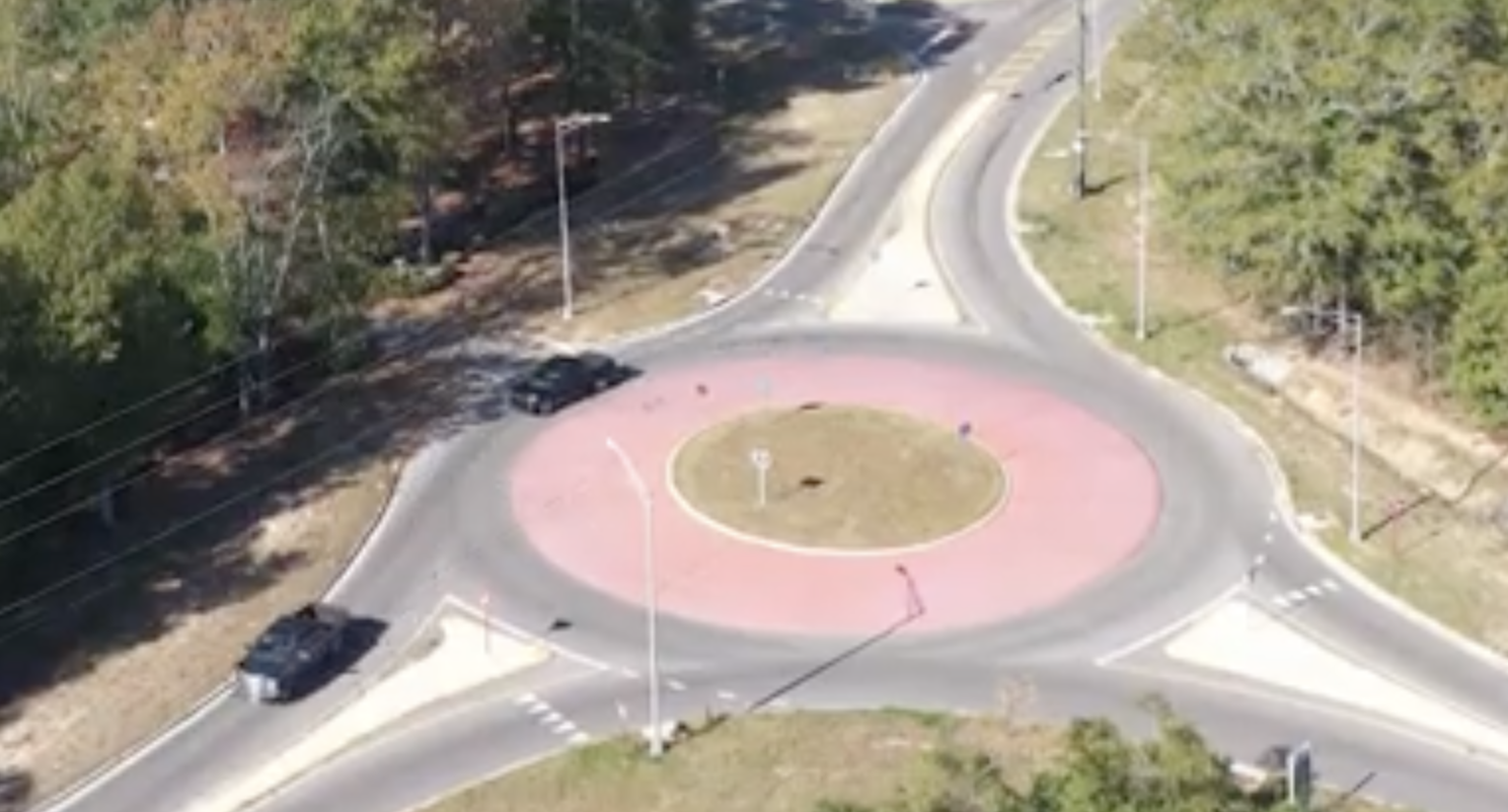
Video: New Roundabout Under Construction at McIver and Old Florence Roads in Darlington County
Promenade at The Point

June Issue 2026
.jpg?width=225)