
Infrastructure Outlook: How (And Why) Transport and Logistics Companies Can Use Technology To Achieve Net-Zero Goals
Freight transportation is one of the most-important cogs in today’s global economy. When the container ship Ever Given got stuck in the Suez Canal in 2021, global trade was disrupted on a massive scale. The delayed shipments caused by the Ever Given led to supply chain disruptions and affected businesses’ ability to access necessary raw materials, components and finished goods. This, in turn, caused production delays, inventory shortages and increased costs for companies. On top of that, the...

From the Editor: What Should We Do With Spaces Along Highways?
Environment California recently performed a study about using space along highways for solar-panel fields. California has been a leader in solar-energy production, and this report states that three counties could provide enough energy to power 270,000 homes annually. Try to balance this with the current grassy or weedy areas that need continual maintenance or the occasional pond that serves a purpose but perhaps not as important as creating energy. Since I was in the transportation design fie...

Executive Corner: Two Keys to a Successful A/E Practice: Financial Discipline and Strong Ownership Culture
Through the last 25 years, I’ve had the pleasure of working with hundreds of A/E and environmental consulting firms of all sizes across the United States and abroad. Of the firms that have enjoyed sustained growth and consistent profitability through economic disruptions as well as multiple generations of leadership, I’ve observed two key characteristics or “success variables” that have been present in almost all cases: 1) disciplined financial management with timely reporting of key performance...

Transportation Troubleshooting: How States Are Approaching Electric Vehicles and Highway Maintenance Funding
The way roads and highways are funded must change. Motor fuel tax revenues are declining due to the increasing fuel efficiency of vehicles, and this trend will accelerate as plug-in hybrid and fully electric vehicles (EVs) command a greater share of personal transport. EVs use the same public roadways as drivers of internal combustion engine (ICE) vehicles—and, due to the extra weight of batteries, EVs can cause more wear and tear per mile than ICE vehicles do. However, EV drivers don’t pay f...

Thoughts From Engineers: Supreme Court Slices CWA’s Reach
I have never owned property disputed to contain wetlands or had my plans to develop a property blocked because of the presence of wetlands. No doubt, in such a situation I would have felt cheated of important rights, not unlike Michael and Chantell Sackett, plaintiffs in the recently decided Supreme Court of the United States (SCOTUS) case of Sackett v. EPA (May 25, 2023, bit.ly/SackettEPA). The couple received notice of a Clean Water Act (CWA) violation due to the presence of wetlands as they b...

Code Update: How NSF’s Water Standards Support New Technology
Following the American Water Works Association (AWWA) ACE 2023 show in Ontario, Canada, the long-term vision of creating a sustainable water sector is front of mind for many stakeholders in the water industry. How technology supports global efforts to address climate change, how climate change is impacting our drinking-water resources and which technologies may work as viable solutions all are central topics. This comes as the industry has more information than ever before as to which materials...

Infrastructure Outlook: The Time to Embrace Digital Technology Is Now
These are unprecedented times for infrastructure development in the United States. With once-in-a-lifetime funding pumping $1.2 trillion into development through the Bipartisan Infrastructure Law (BIL), construction project volume is skyrocketing. However, we’re all too aware that throwing money at a problem isn’t enough. In recent years, the United States has fallen from its place as a top-ranked country to its latest world ranking (by the World Economic Forum) of 13th for infrastructure qu...

Executive Corner: Has Rampant Consolidation Been Good for the A/E Industry?
If you’ve noticed a lot of M&A deals announced recently, you’re not alone. Almost every, day we read another press release that touts a new and promising combination between two A/E organizations. Mega deals and ENR 500 recapitalizations as well as small company tuck-ins and local marriages. The articles often incorporate confident leaders exuding the strategic and synergistic merits of the deal as well as the anticipation of collaborative opportunities in joining forces. But with an increasing,...
Transportation Troubleshooting: Seven Essential Best Practices for the Changing Federal Infrastructure Funding Opportunities
With the Bipartisan Infrastructure Law, local and state governments as well as publicly owned utilities have vast opportunities to secure funding for a wide range of infrastructure projects. This law and Biden Administration policies also highlight funding criteria to emphasize sustainability, greenhouse gas (GHG) reductions, climate-change resiliency, equity, environmental justice and rural development. While these values had previously been incorporated in federal grant criteria to some ext...
From the Editor: What Does Sustainable Engineering Mean to Me?
It’s September, which means it’s time for the Informed Infrastructure Sustainable Engineering Special Issue. This is the third year a special issue has focused on engineering projects and research related to sustainability, which plays an important role in everyone’s life. Sustainable engineering affects water supply and quality, waste disposal, construction materials, pollution reduction, natural resources, environmental concerns, and much more. For this column, I tried to select some new (a...
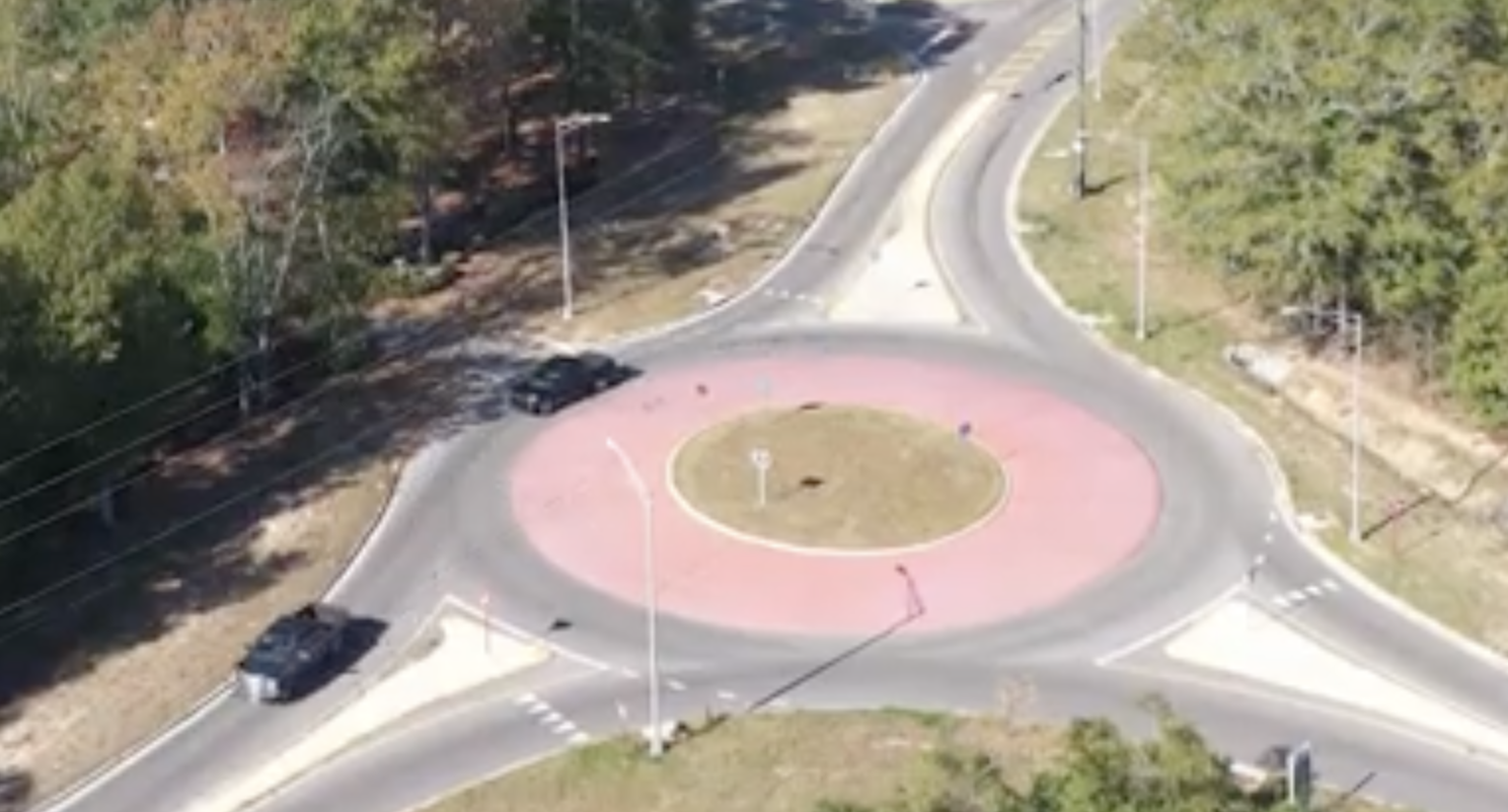
Video: New Roundabout Under Construction at McIver and Old Florence Roads in Darlington County
Promenade at The Point

June Issue 2026
.jpg?width=225)