AISC Releases Updated Structural Stainless Steel Standards (ANSI/AISC 370-25 and ANSI/AISC 313-25)
CHICAGO - The latest versions of two American Institute of Steel Construction standards, AISC Specification for Structural Stainless Steel Buildings (ANSI/AISC 370-25) and AISC Code of Standard Practice for Structural Stainless Steel Buildings (ANSI/AISC 313-25), are now available. They can be downloaded for free at aisc.org/standards. Developed by the AISC Committee on Structural Stainless Steel, the 2025 editions mark the second iteration of both standards since their 2021 debut. The updates e...
Alternative Methods Shape Campus Construction
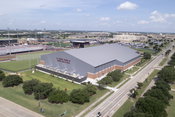
Fabric buildings offer a timely, affordable solution for college athletic and event facilities. The past decade has presented college and university facility planners with a multitude of challenges. The COVID-19 pandemic altered some aspects of campus life temporarily and others permanently. Construction material costs are finally starting to stabilize, but they remain significantly higher than they were five years ago. Many institutions have struggled to provide the educational and residential...
Draft of Code of Standard Practice Available for Public Review
CHICAGO - A draft of the next edition of the AISC Code of Standard Practice for Steel Buildings and Bridges (AISC 303) is now available for public review and comment. The next edition of the Code will supersede the 2022 version. Proposed updates to the standard since the last edition include: A new part of Section 1 addressing projects with sustainability requirements Additional clarity in Section 4 about what to include in approval documents Updates to the treatment of adjustable items across S...
AISC, RCSC Release Design Guide on Structural Joints Using Stainless Steel Bolts
CHICAGO – There’s a new must-have resource for anyone designing connections with stainless steel bolts: Design Guide 41, Structural Joints Using Stainless Steel Bolts, from the American Institute of Steel Construction (AISC) and the Research Council on Structural Connections (RCSC). Design Guide 41 contains helpful information about specifying, designing, installing, and inspecting connections using stainless steel bolts, all formatted to align with the provisions of the RCSC Specification for S...
Kryton Takes the Floor in Building Sustainable Facilities
As critical infrastructure adapts to handle advancements in robotics, logistics and IT loads, durable concrete becomes integral to performance and long-term value VANCOUVER, BC – With warehouses, data centers, and transit facilities increasingly relying on robotics, heavy machinery, and AI-driven infrastructure, concrete floor performance has become mission-critical. Seemingly minor failures such as microcracks or water ingress can escalate into costly outages, equipment damage, and operational...
From Complexity to Confidence: Evolving Approaches to Seismic Bracing
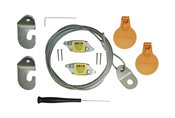
Pre-engineered and factory crimped bracing kit When it comes to seismic resilience, a building’s structural stability is only the beginning. For mission-critical facilities such as hospitals, data centers, and government buildings, operational continuity after a seismic event is equally vital. Seismic bracing plays a crucial role by protecting non-structural systems that maintain life safety, environmental control, and essential building services. Beyond Structural Resilience The evolution of se...
Precast Defense: Denso’s Viscotaq System Delivers a Watertight Seal
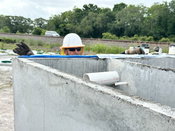
Revolutionizing Precast Construction with Advanced Watertight Seal Technology Denso, Inc., a global leader in corrosion prevention and sealing technologies, is proud to highlight Denso’s Viscotaq Precast Structure Sealing System, engineered to deliver a watertight, flexible seal designed to stop liquid, gas, and contaminant infiltration in precast concrete and manhole assemblies. The Viscotaq Precast Sealing System is engineered to combat water intrusion, by sealing seams and joint areas in muni...
Structural Steel’s Embodied Carbon Down More Than 10% Since 2021 Industry-Wide EPDs
CHICAGO - The embodied carbon of domestically produced and fabricated structural steel has dropped by more than 10% in the last few years alone. Two new Smart EPD® Environmental Product Declarations (EPDs) covering hot-rolled structural steel section production and the fabrication process for structural steel demonstrate a remarkable change from the last EPD, which was published by the American Institute of Steel Production (AISC) in 2021. John Beath Environmental, LLC, gathered the data that un...
New Guide Simplifies LEED v5 Certification for Designers Using Structural Steel
CHICAGO — The American Institute of Steel Construction (AISC) is proud to announce the release of its roadmap for structural steel and LEED v5, a powerful new tool designed to help design professionals and project teams navigate the U.S. Green Building Council’s latest green building rating system. As the construction industry increasingly prioritizes sustainability, material choice has become a critical step for teams pursuing LEED certification. However, deciphering how specific materials alig...
Fortera's ReAct Becomes First Low-Carbon Cement to Meet All Six ASTM C1157 Categories
The product achieves cost parity with portland cement and 70% less emissions through a more energy-efficient production process ReAct reaches full compressive strength in 2 days compared to 28 days for portland cement Contractors can use one ReAct cement for applications that typically require multiple cementitious products [SAN JOSE, Calif., Dec. 16, 2025] – For the first time, a single cement meets all six ASTM C1157 performance categories simultaneously, a level of versatility typically req...
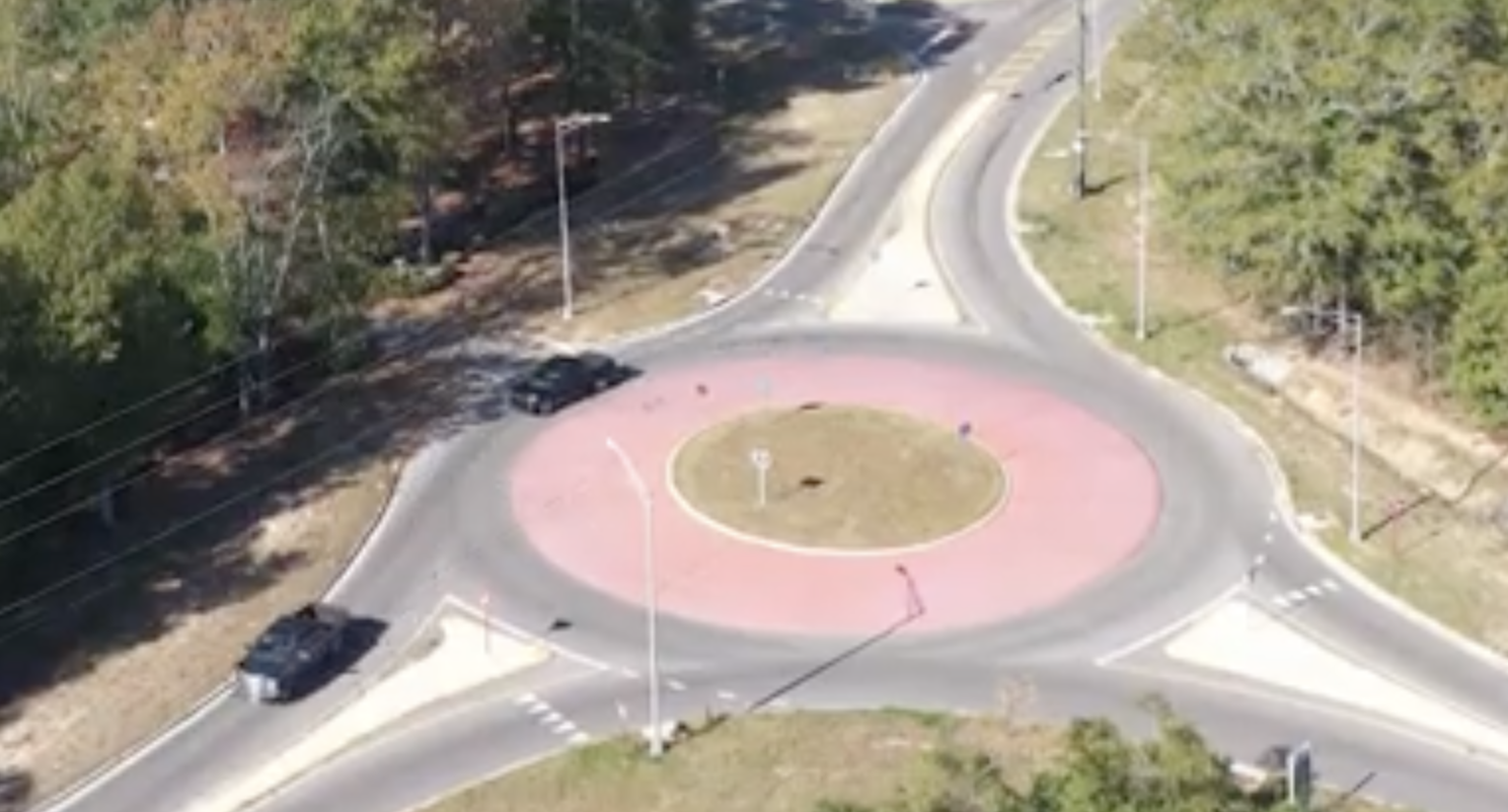
Video: New Roundabout Under Construction at McIver and Old Florence Roads in Darlington County
Promenade at The Point

June Issue 2026
.jpg?width=225)