
Engineered Solutions: Revolutionize Roundabout Design with Transoft’s TORUS
Download the Engineered Solution
Sensitive Situation: A Near Catastrophe Leads to Engineering Innovation at West Virginia’s Largest Airport
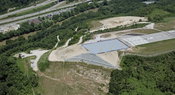
A photo shows the Yeager Airport with an 83-foot-tall, 400-foot-long reinforced retaining wall supporting the hillside beneath the restored EMAS system The situation at West Virginia International Yeager Airport in Charleston, W.Va., has always been sensitive. Locally billed as the gateway to the world, Yeager is West Virginia’s largest airport. Covering 767 acres, the airfield sits atop Coonskin Ridge in the Allegheny Mountains, and the airport’s existence remains an engineerin...
Yadkin Water for Yadkin Needs - Securing Union County’s Water Future
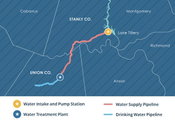
A high-level overview of the Yadkin Regional Water Supply Project through south-central North Carolina. The intake and pump station are in Norwood, the water-treatment plant is near Unionville, and the drinking-water pipeline connects to Union County’s existing distribution systems in Monroe. More than 20 years ago, Union County, N.C., nestled just south of Charlotte, faced a looming challenge: how to secure a reliable water supply for its surging population. The existing system soon would...
Iconic Verrazzano-Narrows Bridge Turns 60
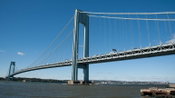
WSP’s History with Verrazzano-Narrows Bridge In writing this article, Informed Infrastructure Editorial Director Todd Danielson interviewed via webcam Jonathan Morey, P.E., senior bridge engineer at WSP USA; and Stuart Rankin, senior vice president at WSP USA, national bridges and structures practice. To learn more about this special bridge, its famous designer and what it meant to the engineers who worked on it as well as engineering details about orthotropic deck, Vierendeel trusses and...
From the Ground Up: Stormwater and Erosion Compliance on Utility-Scale Solar Farms
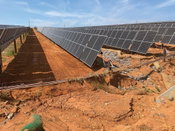
Failure to establish sustainable vegetation on solar sites can cause costly damage to infrastructure. As the United States accelerates its transition to renewable energy, utility-scale solar projects have emerged as pivotal contributors to meeting clean-energy goals. According to the Solar Energy Industries Association, solar developments have experienced an annual growth rate of 26 percent in the last decade, leading to more than 219 gigawatts (GW) of solar capacity nationwide, wh...

Engineering The Future: Build a Workforce Pipeline That Doesn’t Leak
As our nation works to improve aging and crumbling infrastructure, assembling and retaining the workforce needed to achieve those goals remains a major challenge. Never in my lifetime has the need for civil engineers and all the trades that support them been greater. In the last decade, we’ve witnessed flat enrollments in civil engineering schools for tech associate’s and bachelor’s degrees as well as in the construction trades. That’s further complicated by the fact that the largest cohort in m...
The U.S. Must Adapt Its Water-Management Approach to Climate Change
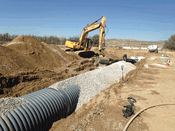
The strength of a pipe system consists of a combination of the pipe itself and the backfill envelope. Proper construction maximizes the drainage capabilities designed into the pipe by maintaining alignment and load-carrying ability. Climate change is one of the most-critical challenges facing our environment, communities and global economies. It’s an especially challenging time for cities as they look to adopt sustainable-development practices to protect natural resources, while also gra...

From The Editor: Engineering Musings from a Trip to Canada
First, let me disclose that Bentley Systems is an advertiser for Informed Infrastructure, but I would write about their event even if they weren’t. During the first week of October 2024, I was fortunate enough to attend the Bentley Year In Infrastructure Going Digital Awards event in Vancouver, British Columbia, Canada. I have been retired for a few years and haven’t attended any major engineering events since then. Maybe all conferences have raised the level of professionalism in the last fe...

Transportation Troubleshooting: Where Will Intelligent Transportation Systems Take Us Next?
We’ve all been there. You’re driving along a familiar road when the dreaded solid red line suddenly appears on your navigation screen, too late to seek an alternate route. You now have no choice but to wait while emergency crews clear the fender bender causing the backup. Now, imagine a scenario in the near future where collisions are a rare occurrence. We’re on our way there, thanks to investments in transportation technologies and advances in vehicles of all types—cars, buses, trucks—all dr...

Thoughts From Engineers: Protecting Source Water Through Watershed Planning
During a road trip through the Catskill Mountains of New York state during the summer, we stopped at one of 19 heavily monitored and secure reservoirs. The Downsville Reservoir is in a heavily wooded area on the East Branch of the Delaware River and drains a watershed 370 square miles in size before sending water down a 26-mile-long tunnel to aqueducts further downstream and then, eventually, to the millions of residents of New York City (NYC). When it comes to source-water protection, the NY...
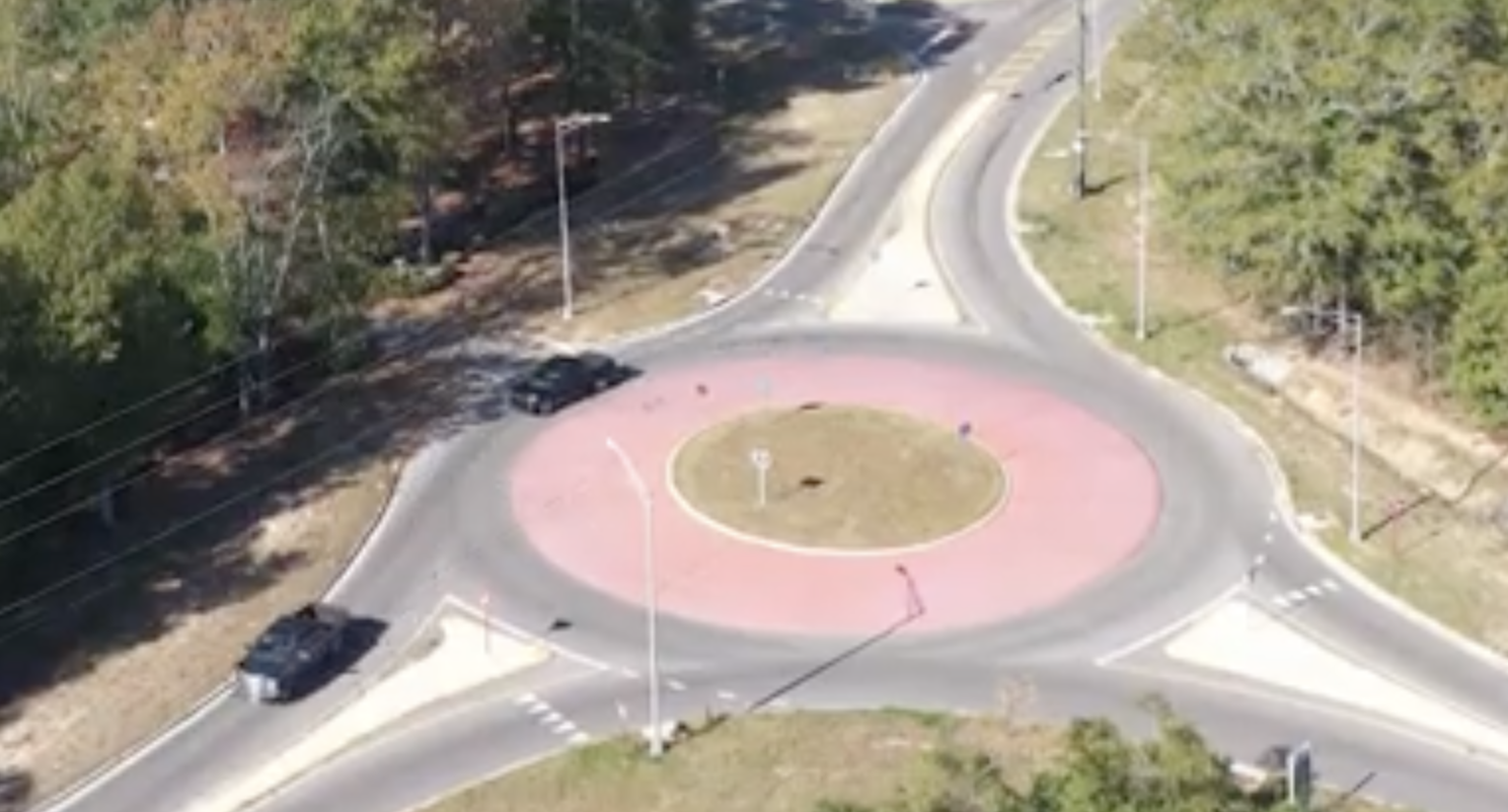
Video: New Roundabout Under Construction at McIver and Old Florence Roads in Darlington County
Promenade at The Point

June Issue 2026
.jpg?width=225)