Aging Infrastructure and Climate Risks: The Urgent Need for More Modern Monitoring and Assessments
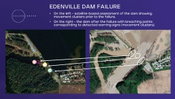
Satellite-based assessment of the Edenville Dam (conducted post-catastrophe) identified deformation clusters at the eventual breach area that were showing diverging movement up to 14 months before the failure. Deformation clusters exhibiting movement across the dam are typical signs of a dam’s weakening structural integrity. More frequent and severe weather events tied to changes in global climate patterns are testing the limits of aging infrastructure. Dam and tailings stora...

Unlocking Curbside Potential: A Guide for Engineers on Modern Curb Management
As cities grow denser and demand for curbside space rises, the need for efficient, data-driven curbside management has become critical. For engineers working across infrastructure—from transportation and water to land development—this shift opens doors to innovative, integrated solutions. By visualizing, analyzing and monetizing curbside assets, we can alleviate urban congestion and foster a more sustainable urban environment, benefiting residents and local businesses. In my role as participa...

Ocean Pavilion at Seattle Aquarium Showcases Design and Human Experience
Following removal of the Alaska Way Viaduct, Seattle’s Waterfront has been reimagined as a vibrant promenade stretching across the city. At the water’s edge, the Seattle Aquarium’s new Ocean Pavilion offers a glimpse of aquatic life at the far reaches of the Pacific Ocean while adding an architectural gem to the harborside cityscape. (Lara Swimmer/Est) Emerging from the unification of place, purpose and point of view, the best of the built environment amazes in many ways. Consideri...

Smart Water Solutions: Celebrating 16 Years of Innovation with the Octave Ultrasonic Meter
Download the Engineered Solution

GIS Solutions: Denver International Airport Manages a Big Property with a Small Team
Download the Engineered Solution

Engineered Solutions: Mobile Mapping, Artificial Intelligence and Digital Data Optimize Road Infrastructure Management
Download the Engineered Solution

From The Editor: What I Have Seen and What Concerns Engineering Students
At this time of year, I typically reflect upon the highlights of the last year and think about what the current year may bring. I hesitate to put in writing what I think may happen in 2025. With the current administration’s massive—often seemingly random—funding cuts, it’s difficult to look to the future with any certainty. But I will reflect on some projects and changes that happened in 2024. The following are some headlines that could describe what I witnessed: The AI revolution is turning...

Engineering The Future: End of March Brings 2025 ASCE Report Card
Drumroll please, it’s American Society of Civil Engineers (ASCE) infrastructure report card time … By the time this column is printed, but before it was written, ASCE will have released its 2025 report card at https://infrastructurereportcard.org. We’re seeing small improvements; lagging data and current projects under construction will drive better grades in the future. Many of us at ASCE were apprehensive at some point about how we would do, and the same holds for our industry. The const...

Transportation Troubleshooting: E-Commerce: With Its Benefits Come Challenges for Transportation Infrastructure
As Americans order more products online for delivery to their homes or other locations, e-commerce has changed not just our shopping habits but also the structure of retail industries, labor markets and the fabric of commercial districts in our towns and cities. Yet a lesser-known set of challenges brought by e-commerce deserves more attention from transportation agencies and planners: the impacts on road networks and communities from e-commerce supply chains and freight logistics. Large-S...

Thoughts From Engineers: Reusing Captured Stormwater
The residents of ancient Mediterranean cities presumed a state of water scarcity, which meant they valued water and collected it any way they could. The central hallways of homes of the wealthy in the ancient city of Pompeii, for example, often featured a large basin positioned directly below a circular opening in the roof—ready to collect vital rainwater. Just 15 or so miles from Pompeii, the city of Naples has enormous aqueducts below city streets—nearly as substantial as the built environment...
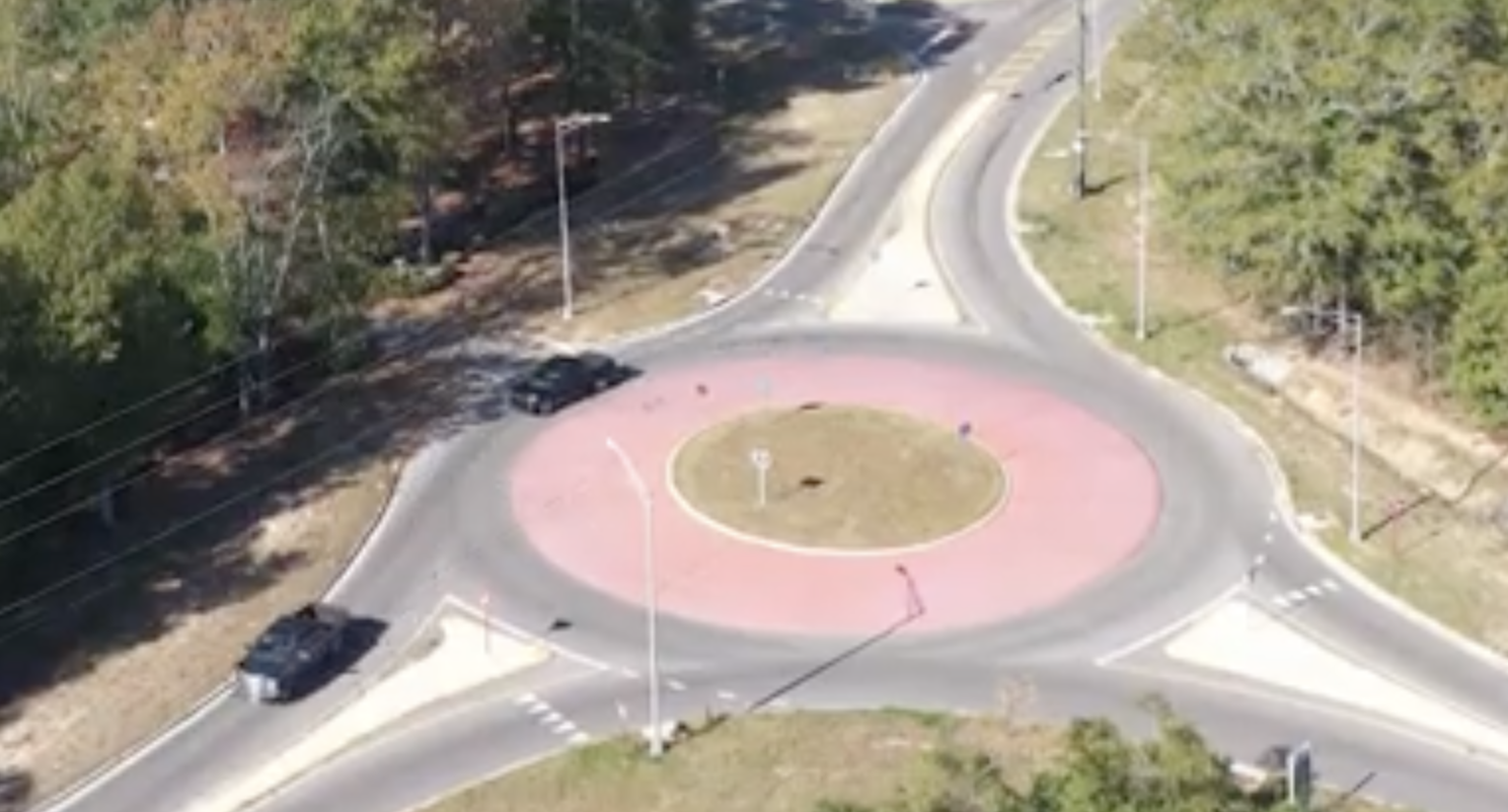
Video: New Roundabout Under Construction at McIver and Old Florence Roads in Darlington County
Promenade at The Point

June Issue 2026
.jpg?width=225)