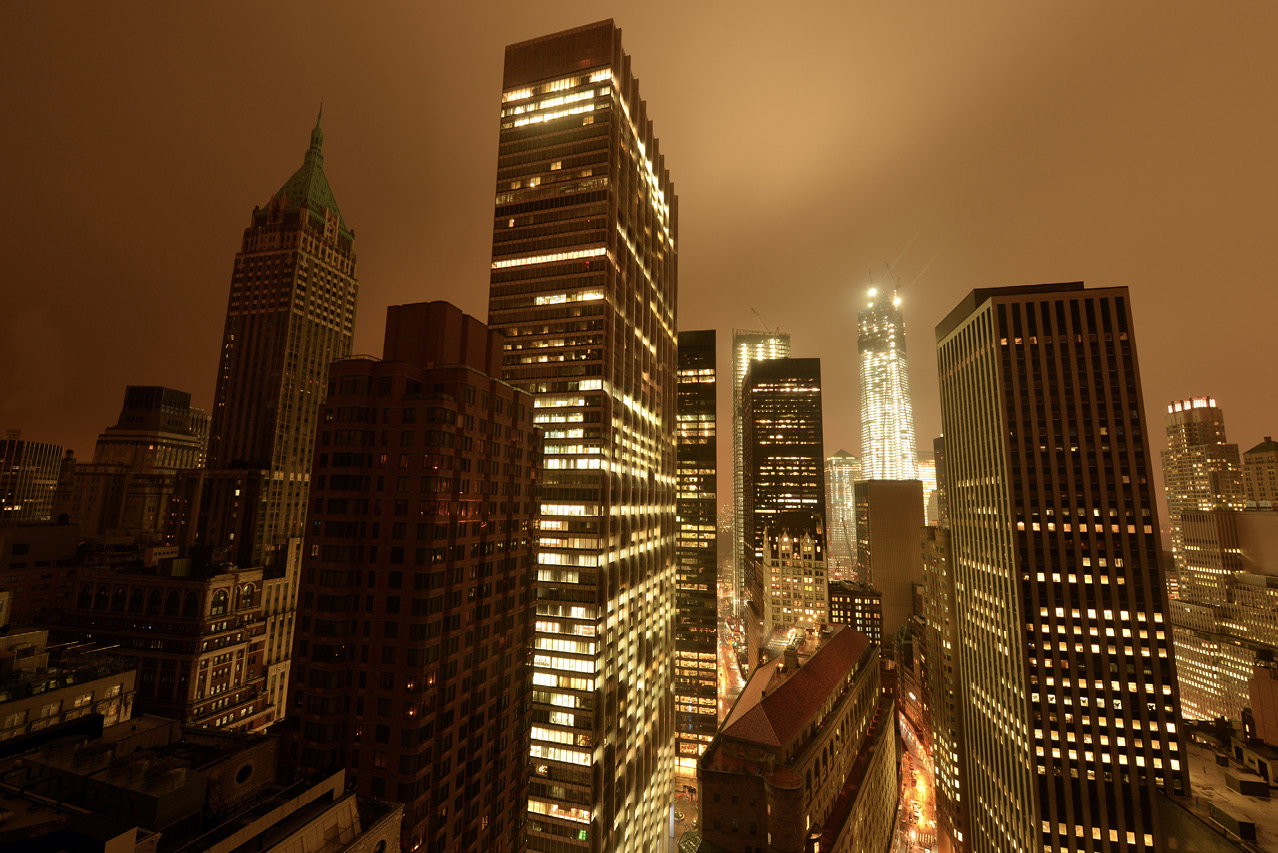
Resilience isn’t new, and the work has always looked similar. When electrons stop flowing, utilities work quickly to get the power back up and running as well as keep the problem from spreading.
But the conditions around the system aren’t the same as they were 15 years ago. Much of the U.S. grid was designed around a 20- to 25-year life, with a lot of it still in service beyond that window. This wasn’t careless engineering; it was economics. Utilities built what their communities were willing to fund.
The definition of resilience hasn’t changed. Designs are built to criteria such as temperature, wind, flood elevation or ice loading. What looks different is how often those thresholds are being tested.
If utilities wanted to design everything to last 50 or 100 years, they could. They could underground it, put substations in buildings and make it all as close to invincible as possible. However, affordability comes into play.
The grid wasn’t built carelessly. It was built as communities and regulators prioritized spending and subsequent rate increases. Infrastructure was designed for a defined service life because that’s what made sense at the time.
Nobody was staggering installations so everything would come due at different intervals decades later. Utilities were building as quickly as the need dictated. The result is that many assets came online in the same periods, under the same assumptions, and now they’re aging at the same time. In many cases, they’re being asked to operate well beyond the life they were originally designed for—not because anyone planned it that way, but because replacing everything at once simply isn’t realistic.
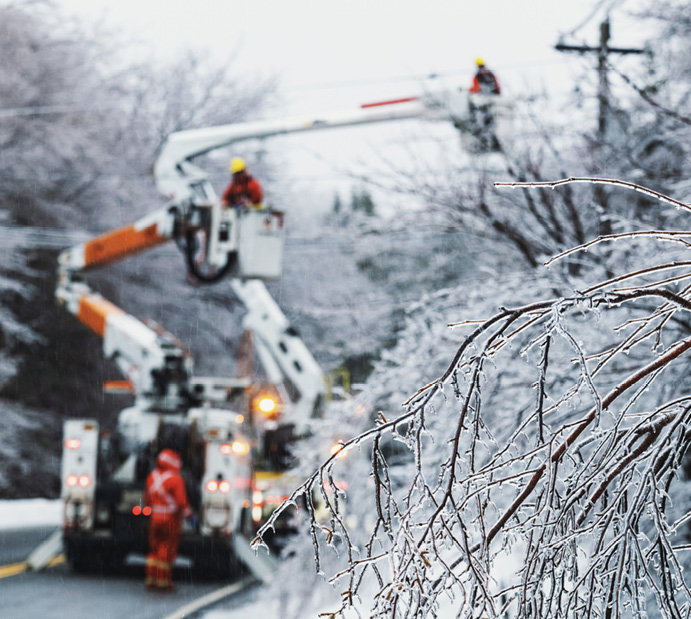
Line crews work through icy conditions to clear damage and restore service following winter weather impacts.
Weighing All the Variables
As an example, look at the 100-year flood lines FEMA sets. In some areas, those lines have been redrawn. In some cases, clients are choosing to design above that—not because the definition changed, but because they’ve seen more than one of those events in less than
100 years.
This doesn’t automatically mean extreme weather becomes the design condition. It’s a design consideration that needs to be weighed depending on what the asset serves. If it’s tied to something critical, there’s less tolerance for failure. If it’s something crews can get to quickly and restore, the calculation may be different.
Utilities may be asking themselves: “What’s the consequence if this goes down? How long would restoration take? What does that added investment buy us?”
The objective isn’t to make it the most resilient system possible; it’s about landing on the right level of resilience that can be tolerated within the system.
One utility’s tolerance isn’t another’s. It depends on the geography, what’s being served and ultimately, what customers are willing to pay for.
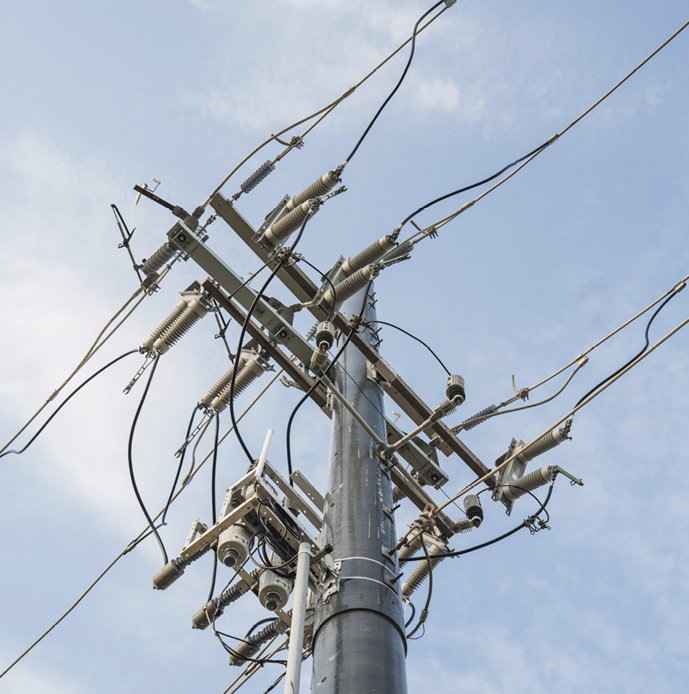
Overhead distribution equipment is designed to isolate faults and reduce the spread of outages.
Winter Conditions: A Changing Scenario Across the Country
In Minnesota, significant ice loading is part of the structural calculation since it’s expected. Inches of ice add weight to transmission lines, and the system accounts for that. In Houston, historically, it hasn’t.
When a record-setting ice storm hit Texas in 2021, people asked why the grid couldn’t withstand it. In places such as Minnesota, where this weather is common, the grid was designed for ice loading. In Texas, where such weather isn’t as common, the grid wasn’t designed around it. Designing Houston to Minnesota standards would have increased initial costs—justification depends on likelihood of occurrence.
Design has been built around what utilities have seen historically. Building for a rare phenomena carries a price tag, and ratepayers will understandably ask why. However, due to climate change, those historical patterns are changing.
Hardening assets helps, but it doesn’t solve everything. The historical approach was simply to install redundant lines or feeds.
On distribution systems, utilities are now spending time breaking the network into smaller pieces to further harden. Feeders get tied together. Devices go out along the line so operators can isolate sections.
For example, take something simple such as a tree falling across a feeder. In the past, that might have taken the whole feeder out until crews repaired the line, but with sectionalizing devices and tied feeders, utilities often can keep most customers online while crews fix the problem.
This is what segmentation is meant to do. Thirty or 40 years ago, if a tree fell across a feeder, a community might lose the entire line until crews repaired it. That was simply how the system operated.
Today, many utilities tie feeders together and install sectionalizing devices so the same event affects a much smaller group of customers. There’s more flexibility in the system than there used to be. In many cases, that matters as much as—or more than—adding redundancy. Redundancy only covers anticipated scenarios. If a tornado takes out both lines, and floodwaters reach the whole substation yard, the backup doesn’t help much.
Segmentation limits how far a failure spreads and gives operators more room to respond. Utilities that have invested in stronger crossarms, pole replacements and additional devices are seeing outages contained more effectively, and restoration times improve. Those changes show up in reliability metrics through time.
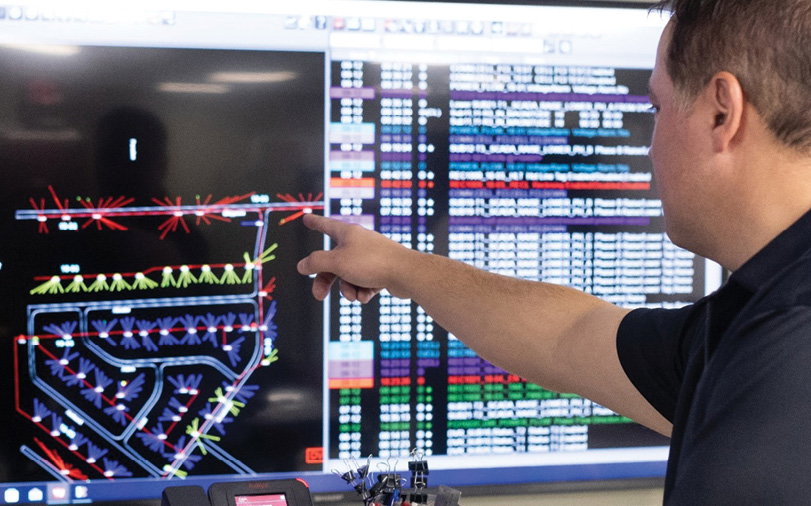
Real-time system visualization helps operators identify issues and manage outages more precisely.
Dealing With the Unforeseen
Wildfires have forced another adjustment. Traditional protection schemes often reclose after a fault in an effort to have power restored quickly when the cause often has resolved itself. Under high wildfire conditions, reclosing into that fault can add energy to a situation that’s already dangerous. Utilities also can adjust device settings during “red-flag” conditions—lowering thresholds or changing trip times—so the system responds differently when risk is elevated.
Those decisions involve tradeoffs, including weighing the possibility of contributing to a wildfire against the certainty of a temporary outage. That’s part of why there are strategies such as public-safety power shutoffs. They’re disruptive, but they reflect a different risk calculation, when losing power is better than starting a fire.
Customer expectations have shifted as well. Consumers expect faster restoration than they did 20 or 40 years ago, and they expect information. Not just that power is out, but why it's out and when it’s likely to return.
Storm response has changed along with that. Not long ago, outage management was largely manual. Control rooms had wall boards with magnets marking lines and crew locations. In systems that have invested in digital tools, operators now can see faults more quickly and then dispatch crews with clearer information about where they’re going and what they’ll need. These new processes shorten restoration time.
In systems that haven’t made those upgrades, crews still move pole to pole, assessing damage. It takes longer because visibility is limited.
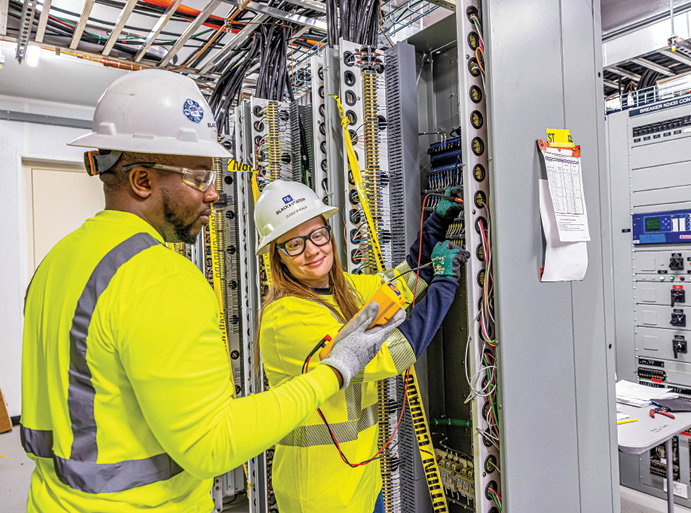
Technicians test and verify control and protection equipment inside a substation, supporting reliable operations and faster restoration.
Mounting Concerns
Walk into some facilities, and there will still be equipment that’s been running far longer than its original design life. That says a lot about how well it was built, but it also means it was designed for a different set of conditions than the grid now faces.
Utilities are looking at long replacement lists as well as an expanding grid that needs upgrading to improve resiliency with ways to segment the lines—or improved visibility of line status and deciding what comes first. Capital is limited, and not everything can be upgraded at the same time. Add the push for new substations and rising load—especially from data centers—and supply chains get tight. In some cases, the wait for equipment now stretches into years.
Utilities facing an aging grid won’t be able to rebuild the whole system overnight. They can start by simply taking a closer look at the system they already have. Tools such as LiDAR and newer assessment technologies allow engineers to scan large portions of the network and identify smaller issues before they turn into outages. From there, it becomes a question of making the system more adaptable, adding devices that allow operators to isolate a problem and keep the most customers online.
That’s the backdrop for resilience planning. Most of this work happens without much attention. If it’s working, you don’t hear about it.
Katie Muer
Katie Muer is distributed infrastructure solutions portfolio lead, Black & Veatch; email: [email protected].
Video: New Roundabout Under Construction at McIver and Old Florence Roads in Darlington County
Promenade at The Point
June Issue 2026
.jpg?width=225)