
Infrastructure is at a turning point. Governments, cities and private developers are dealing with increasing pressure on aging systems, making them rethink how success is defined. Speed and cost control during construction still matter, but they can no longer be the only measures guiding infrastructure decisions. Instead, the industry is putting more emphasis on durability, long-term performance and overall resilience so construction projects can serve communities well into the future.
Two big trends are reshaping infrastructure planning today. The first is the increasing need for sustainability that can be proven through quantifiable data, and the other is the growing use of predictive risk-management systems through technological advancements.
Sustainability Needs Proof
Sustainability has always been part of the infrastructure conversation, often focused on selecting environmentally friendly materials or trying to reduce emissions where possible. In 2026, it will continue to become more common for stakeholders to expect material choices and emissions claims to be backed by data.
This is changing how projects are being evaluated. Instead of focusing on speed or initial costs, stakeholders now are asking different questions: “How long will an asset last?” “How often will it need repairs?” and “How does it perform from an energy and carbon standpoint year after year?” To answer these questions, organizations need to make digital traceability, lifecycle analysis and long-term performance benchmarks mandatory.
Designing Infrastructure That Can Be Measured
This new approach also is changing how infrastructure is designed. Construction projects are increasingly embedding sensors, digital twin technology and automated reporting tools at the earliest stages of development. These systems create ongoing feedback loops that allow owners and engineers to verify that sustainability goals are being met in the real world. Data now serve as the main indicator to prove environmental responsibility and operational benefits for buildings, bridges or energy systems.
Moving Beyond Reactive Maintenance
With the combination of aging infrastructure and the rise of extreme weather occurrences, traditional maintenance schedules are proving to be less effective. Periodic inspections fail to catch early warning signs, especially as the structure ages, so organizations are turning to predictive risk management. Engineers can use sensors, analytics and better materials to detect structural problems earlier than before. The system enables real-time observation of actual system behavior, which allows users to detect corrosion and excessive vibration that causes shifting and cracking.
Risk-scoring systems have started to become more popular. The models analyze historical information combined with environmental data, structural behavior insights and real-time monitoring to identify the most at-risk areas. Organizations can use such information to prioritize repairs, improve safety protocols and reduce the number of unexpected shutdowns.
Coming Together
Sustainability and risk management exist as connected strategic objectives that work together. A durable infrastructure that needs minimal maintenance is automatically more sustainable. And systems that are monitored continuously and maintained proactively are safer and more reliable.
More projects are focusing on durable, environmentally responsible materials with sensor networks and monitoring tools. This enables infrastructure to adapt to changing conditions while maintaining absolute safety and environmental sustainability requirements. New reporting platforms can help owners track environmental impact and asset health in one place, making it easier to manage long-term performance and make informed funding decisions. Investors and public agencies are starting to pay much closer attention to these outcomes.
Long-Term Thinking
In the following years, infrastructure decisions will be defined by long-term thinking, smarter investments and better use of data. Speed will still matter, but the future of success will depend on sustainability and safe performance.
Engineers and public agencies will align around long-term durability, leverage digital monitoring and predictive tools to anticipate risk, and report transparently on environmental and operational outcomes. Organizations will prioritize long-term reliability over short-term wins. What matters now is whether infrastructure can hold up through time, adapt to change and keep people safe long after construction is finished.

Jerrub Hammrich
Jerrub Hammrich is vice president of repair and strengthening at DYWIDAG; email: [email protected].
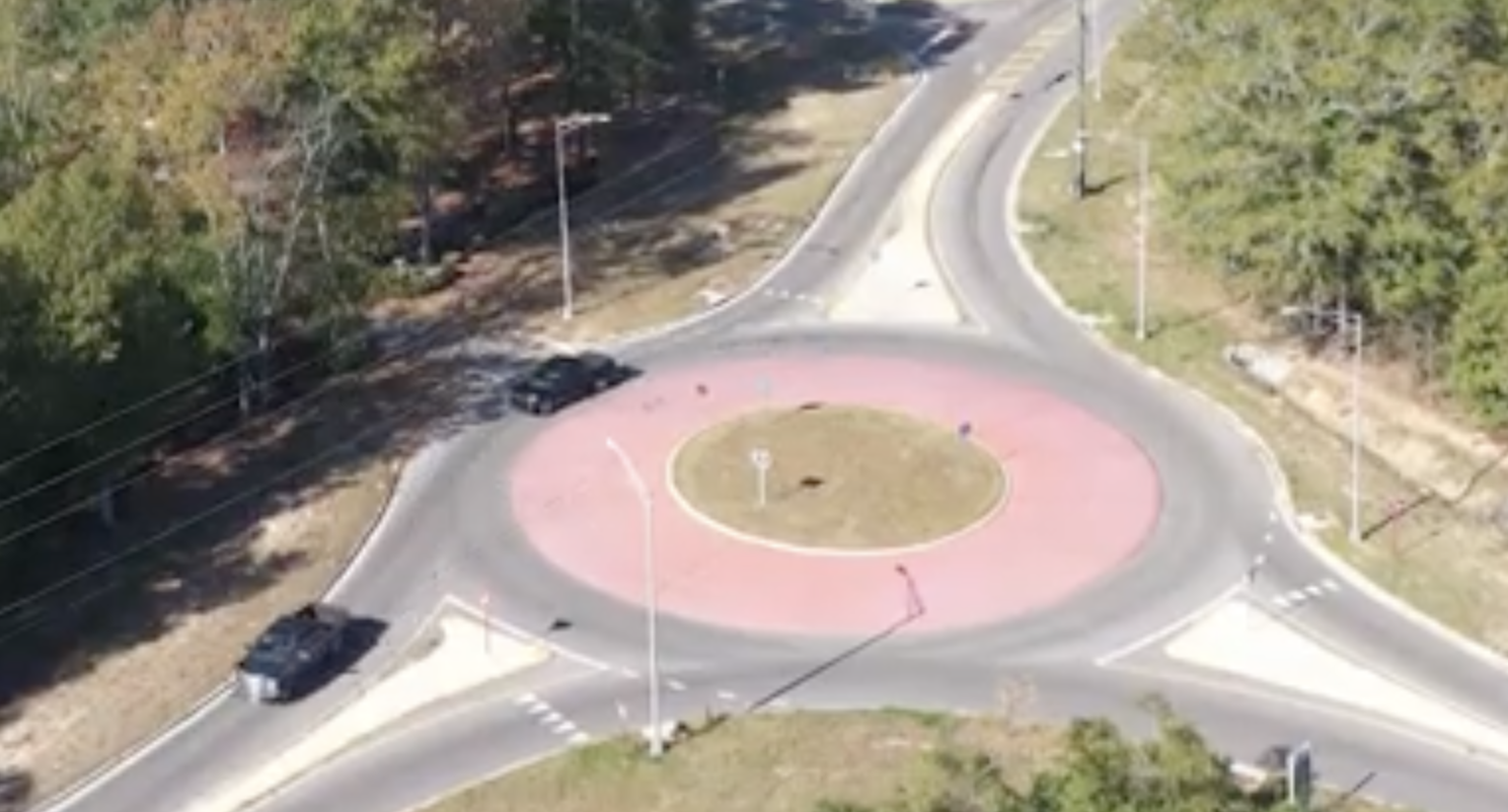
Video: New Roundabout Under Construction at McIver and Old Florence Roads in Darlington County
Promenade at The Point

June Issue 2026
.jpg?width=225)