
As the name of this publication suggests very directly, our infrastructure is among the highest priorities our nation faces. At the same time, the condition of our environment should receive a similarly high priority status. Some of the most basic aspects of our livelihood—travel, economy, clean air and water, safety—are directly affected by our infrastructure and environment. It’s imperative we recognize that our infrastructure needs major attention and our environment remains at a critical juncture.
One Step Forward, Several Steps Back?
The American Society of Civil Engineers (ASCE) Report Card in 2025 showed a modest improvement over 2021 from a grade of C- to C. This was due in large part to the Infrastructure Investment and Jobs Act (IIJA), as they often say, “the most comprehensive federal investment in the nation’s infrastructure in U.S. history.” The partnership among federal, state and local governments along with the private sector proved to be a huge success in moving us forward. The investments were responsible for increasing the grades for almost half of the 18 categories assessed in the report card.
However, ASCE finds there’s still an investment gap because of the steady aging of our infrastructure and the increasing demands on it. Some stressors are due to amplified usage, but significant damage is increasingly caused by more climate-related severe weather events. The existing infrastructure needs to be modernized to meet these new impacts, and new projects are using revised standards to withstand forces that weren’t imagined.
The environmental focus in the last year alone caused significant setbacks in any progress we were making. The Unleashing American Energy executive order freezes funds from the IIJA and the Inflation Reduction Act. Staffing of the Environmental Protection Agency has been reduced by one third and funding cut in half. Evidence to the negative effects on the environment and related industry is proven by the number of lawsuits filed against the federal government. Below are a few examples gathered from various websites:
• Thirteen states sued to stop the Department of Energy, and Office of Management and Budget from cancelling roughly $2.7 billion in funding for energy and infrastructure, including specific clean-energy projects.
• Lawsuits challenging the termination of specific projects, such as the $1.2 billion ARCHES clean-hydrogen project.
• A coalition of states filed an amended complaint against an executive order declaring a national energy emergency, arguing it illegally bypassed environmental regulations such as the National Environmental Protection Act and the Endangered Species Act.
• Legal actions were taken to stop the administration from blocking wind-energy projects.
The public recognizes that these issues should be a top priority. According to Accurent, about two thirds of the public said our infrastructure is rated at “needs attention to poor condition.” And about three quarters said sustainability should be a priority in infrastructure projects. It’s clear that we, the people, understand the conditions of our quality of life. If we were to poll only engineers and scientists, I’m convinced the numbers would be higher.
Issues Not Addressed
Once a year, as part of the “State of the Union” address, we look forward to hearing about the current federal administration’s proposed programs to improve our infrastructure and protect our environment. A 2026 State of the Union address keyword search revealed no mention of infrastructure or environmental concerns. There were no claims of “Infrastructure Week” and only one backhanded mention of the “Green New Scam.” There also was no mention of the numerous funding cuts in environmental programs and alternative-energy proposals, nor the numerous lawsuits filed by various states and municipalities.
Many of us long for the days when the federal government pursued huge projects: the Interstate Program, Hoover Dam, airports, etc. Infrastructure projects take a long time to develop. It’s concerning that we don’t know if current funding levels will be sustained in the future (note that the IIJA is set to expire in fiscal-year 2026). The challenges we continue to face will not go away.
Editor's Note: To read more of Robert Schickel's columns, visit iimag.link/ZRaAe.

Robert Schickel
Robert Schickel was born in New Jersey and received his BS in Civil Engineering degree in 1971 from Valparaiso University in Indiana. His career started as a bridge design engineer and expanded to include design of various transportation facilities, including highways, bridges, rail lines and stations, and airport runways. Mr. Schickel managed engineering offices ranging from 20 to 140 people. He also served as a consultant to a large utility company. Mr. Schickel currently resides in Indiana and serves as Adjunct Professor for the College of Engineering at Valparaiso University. He enjoys his retired life at his lake house, playing golf, listening to music and spending time with his family, especially his grandchildren.
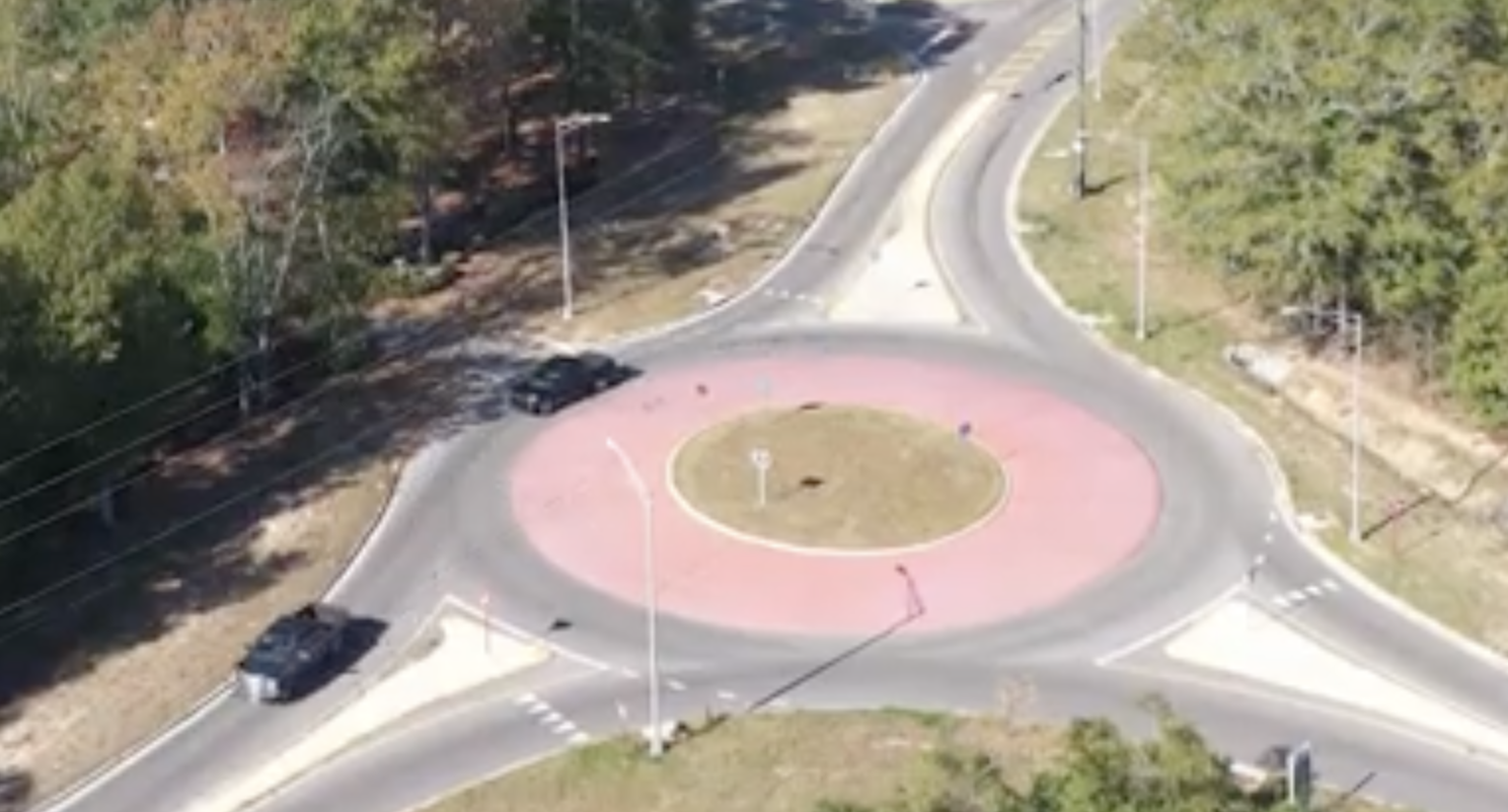
Video: New Roundabout Under Construction at McIver and Old Florence Roads in Darlington County
Promenade at The Point
June Issue 2026
.jpg?width=225)