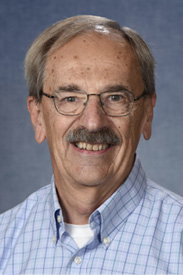
First, I and Informed Infrastructure would like to congratulate fellow columnist Maria Lehman, a widely recognized infrastructure leader who was named ACEC New York Engineer of the Year. (Learn more about the award at iimag.link/gRpjZ.)
Summer Slow Down
I’m enjoying the summer so far by driving through construction zones on highways; slowing down for farm machinery; enduring minor power outages due to overloads; cleaning up the loss of a large tree in our front yard felled by a severe storm; and also relaxing by the lake, floating on the pontoon boat and sipping cool beverages. So, in balance, everything is pretty good.
It’s the middle of summer and, at least for me, not the best time of year to stay focused on one subject, so I’ve put together a few unrelated items to consider. But we must always keep attention on our infrastructure and the effects of climate change on our environment. All the following paragraphs at least have that in common.
Building Restoration and Repurposing
There’s an increased trend in restoring, repurposing and modernizing existing buildings. The American Institute of Architects (AIA) reports that nearly half of America’s 125 million buildings are 50 years old or more. AIA also notes that the “reuse and retrofit of older and historic buildings avoids the release of embodied carbon emissions from the construction of new buildings.”
The Flatiron Building (built in 1902) in New York City (NYC), for example, is undergoing such modernization. This sounds great to me: saving a historic building while minimizing the effects on our environment. And then I read further … The building is being renovated to preserve its facade while converting interior spaces into homes whose selling price will start at $15 million—probably not going to solve any low-cost housing issues.
And as a rare, last-minute addition to this column, another NYC high-rise renovation and apartment conversion made the news when the former headquarters to Pfizer on East 42nd Street was found to be buckling, including falling bricks and sagging floors. The neighborhood was evacuated for a while as building assessment continues. Hopefully no one was injured and renovation can continue.
Hoping Against ‘Politics as Usual,’ Climate Disasters
The construction industry and lawmakers are anticipating a new surface transportation reauthorization bill, as the current bill lapses in September 2026. It’s anticipated that the replacement bill will be more than $500 billion for the next five years. My hope is that this is more than a “concept of a plan” and a bill actually gets signed into law. I think Congress needs more engineers.
The world has been experiencing wildly more-intensive weather events and natural disasters this summer: tornadoes in the Chicagoland area, high temperatures in Europe and flooding in Africa, among many others. Certainly more important than the physical damage are the lives lost due to these catastrophes, but rebuilding and positioning ourselves for future disasters is part of our responsibilities.
An example is the funding provided by the previous administration for Puerto Rico after the hurricanes in 2022 to equip tens of thousands of low-income homes with rooftop solar panels and batteries for backup power during outages. To me, that sounds like a good fix for a problem until the power grid can be modernized. However, the current administration has diverted these funds. As hurricane season progresses, the people of Puerto Rico will again face outages without the advantages such backup systems would’ve provided.
Friends and Relationships Key
In my June 2026 column, I tried to convey the excitement my friends and I felt during the Artemis II landing while we were at a restaurant. I just read an article, “Do we need a lunar building code to build moon bases safely?” by Leonard David, that makes me wish I was part of the team that will work on the next phases. The Lunar Building Code Committee is a technical committee I would love to sit on.
Finally, I would like to express my opinion on the importance of maintaining communication with former and current professional relationships. Many companies and organizations are returning to in-person office work. Working together and forming relationships are part of human nature—engineers thrive on being with and working with others.
I serve as an adjunct professor and have had the great fortune of evolving my student relationships into professional ones. There’s nothing more rewarding than hearing about the life of a person you may have influenced. So, when a former co-worker or student calls just to talk, jump on that opportunity.
Robert Schickel
Robert Schickel was born in New Jersey and received his BS in Civil Engineering degree in 1971 from Valparaiso University in Indiana. His career started as a bridge design engineer and expanded to include design of various transportation facilities, including highways, bridges, rail lines and stations, and airport runways. Mr. Schickel managed engineering offices ranging from 20 to 140 people. He also served as a consultant to a large utility company. Mr. Schickel currently resides in Indiana and serves as Adjunct Professor for the College of Engineering at Valparaiso University. He enjoys his retired life at his lake house, playing golf, listening to music and spending time with his family, especially his grandchildren.
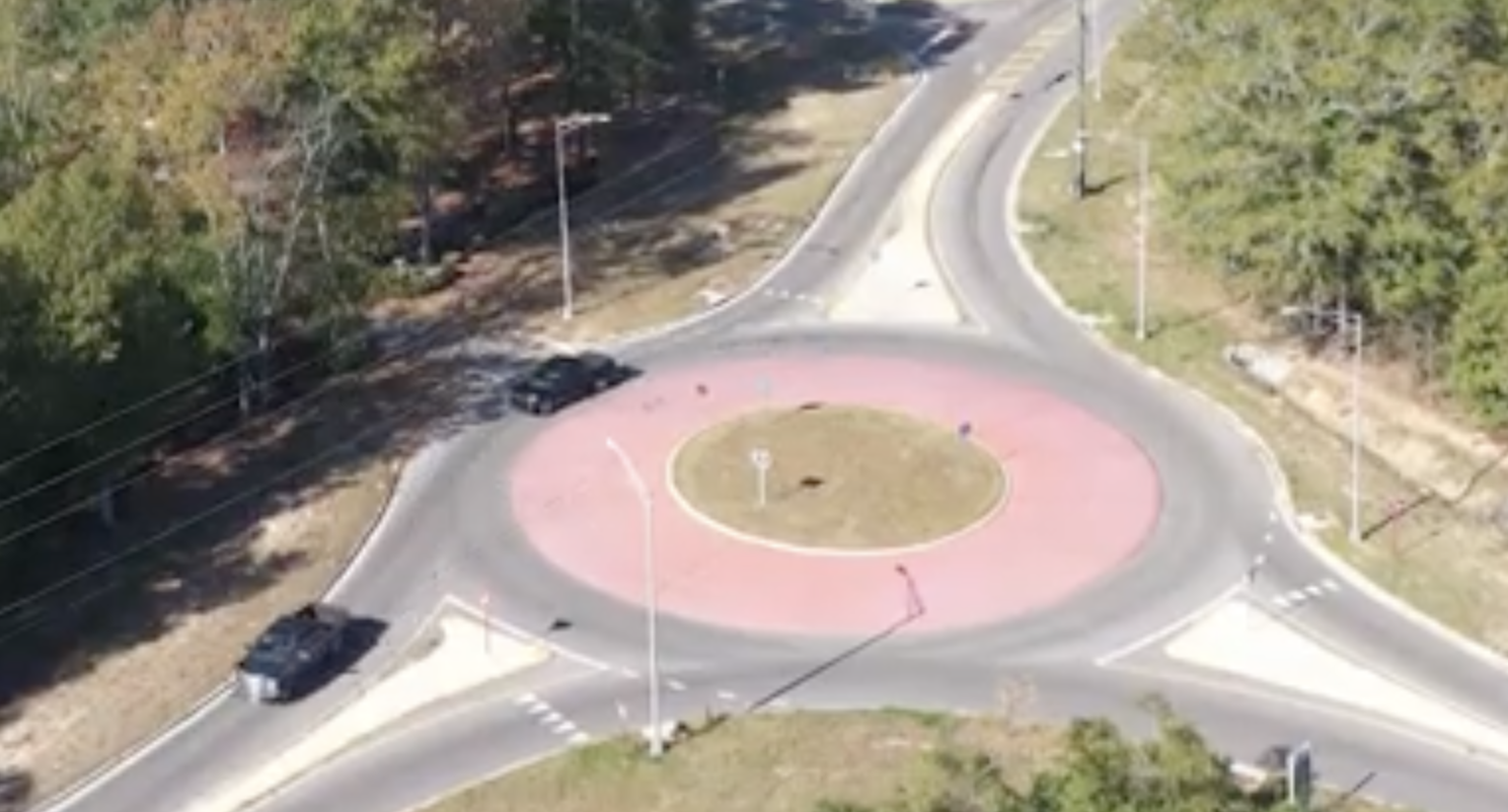
Video: New Roundabout Under Construction at McIver and Old Florence Roads in Darlington County
Promenade at The Point
June Issue 2026
.jpg?width=225)