
Anticipating the future and its opportunities is becoming more critical than ever, as opposed to reacting to past events. One of my favorite quotes attributed to Wayne Gretzky is “I skate to where the puck is going to be, not where it has been.” The speed of change continues, and it’s dizzying.
Full Systems Approach
I had the privilege to co-organize a daylong workshop at the State University of New York at Buffalo, School of Engineering, on freight operations and the challenges and opportunities of alternative fuel vehicle (AFV) adoption, along with my colleagues Dr. Jee Eun and Dr. Dianna Ramirez-Rios. This is an important topic to advance the viability and predictability of our supply chain. As the price of diesel fuel is skyrocketing, many are looking for alternatives.
AFV aren’t just electric vehicles; they also include natural gas, renewable natural gas and hydrogen fuel cells. Achieving sustainable freight operations requires us to evaluate AFVs from a systems approach.
We had stakeholders from the entire freight ecosystem and held panels to discuss New York’s vision, goals, policies and infrastructure; insights from fleet operators on transition; challenges to AFV adoption for logistics and fleet operators; current business practices and future planning; AFV readiness; clean cities and readiness; and research discussions needed to create a durable, economical path forward.
Pros and Cons
Charging with alternative fuels can be cheaper per mile than refueling with diesel, and maintenance costs can be significantly lower given the absence of diesel after treatment systems and relative simplicity of their powertrains. These may be enough to achieve a positive ROI over the lifecycle. With remote diagnostics, over-the-air software updates and fewer moving parts to maintain, operators may spend less time at service centers and more time on the road.
Those same “internet of things” sensors and microchips, however, also provide new cybersecurity risks. In addition, there are a limited number of AFVs available, and their purchase price can be double of diesel options. There’s already a shortage of diesel mechanics, but there are even fewer AFV mechanics; any repair can mean significant downtime. AFVs in production today have limited range, lower payload limits, cold-weather operational concerns and there’s limited fueling infrastructure. All this is further complicated by various government taxes and fees and regulatory issues. It’s not as easy as just changing over.
Trying to Keep Trucking
According to the American Trucking Association, “American Trucking Trends 2025,” trucks moved 11.27 billion tons of freight in 2024, and trucking employed 8.4 million people in industry-related jobs, including 3.58 million professional drivers in 2024. The trucking industry remains made up of small businesses, with 91.5 percent of carriers operating 10 or fewer trucks and 99.3 percent operating fewer than 100 power units. If you’re an independent owner-operator, downtime means no revenue.
At the workshop, we learned there are many variables in the purchase and operation of AFVs. Yet again, one size fits none. Engineers can provide the freight industry with ways to be more efficient while meeting future challenges. We can develop models that input all the information from an operator and their use case and then determine what’s their best choice now. It’s not just a case of incentives and mandates. We need to focus on infrastructure users need as well as what we can do to make that an efficient and effective experience for all.
Successful Implementations
Many utilities have converted to natural-gas fleets. There are many transit systems with electrified rail and bus operations as well as bus systems that have converted to natural gas. A number of airports and marine ports have converted to AFV, and many school districts have electrified their bus fleets.
For overall infrastructure, the application is the same. We’re short of qualified staff, whether it be engineers or equipment mechanics. The workforce shortage is forcing quick decisions that may not provide durable lifecycle benefits. Changes in the supply chain are causing substitution changes that may not get the review they should due to the need for speed, and there are many more blind spots. Poor planning results in project delays and costly overruns.
We’ve largely been reactive and don’t step back to evaluate root causes and provide forward-thinking solutions. Our solutions may be one dimensional in a 3D world. It’s up to the engineering profession to make the case around system optimization for all users. We need to lead in this next and exciting future!

Maria Lehman
Lehman, P.E., NAE, NAC, F.ASCE, ENV SP, is executive advisor for U.S. Infrastructure at GHD. She is the current interim executive director and past president of the ASCE and currently serves as a member of the National Infrastructure Advisory Council. She also is the Samuel P. Capen professor of engineer management at the State University of New York at Buffalo; email: [email protected].
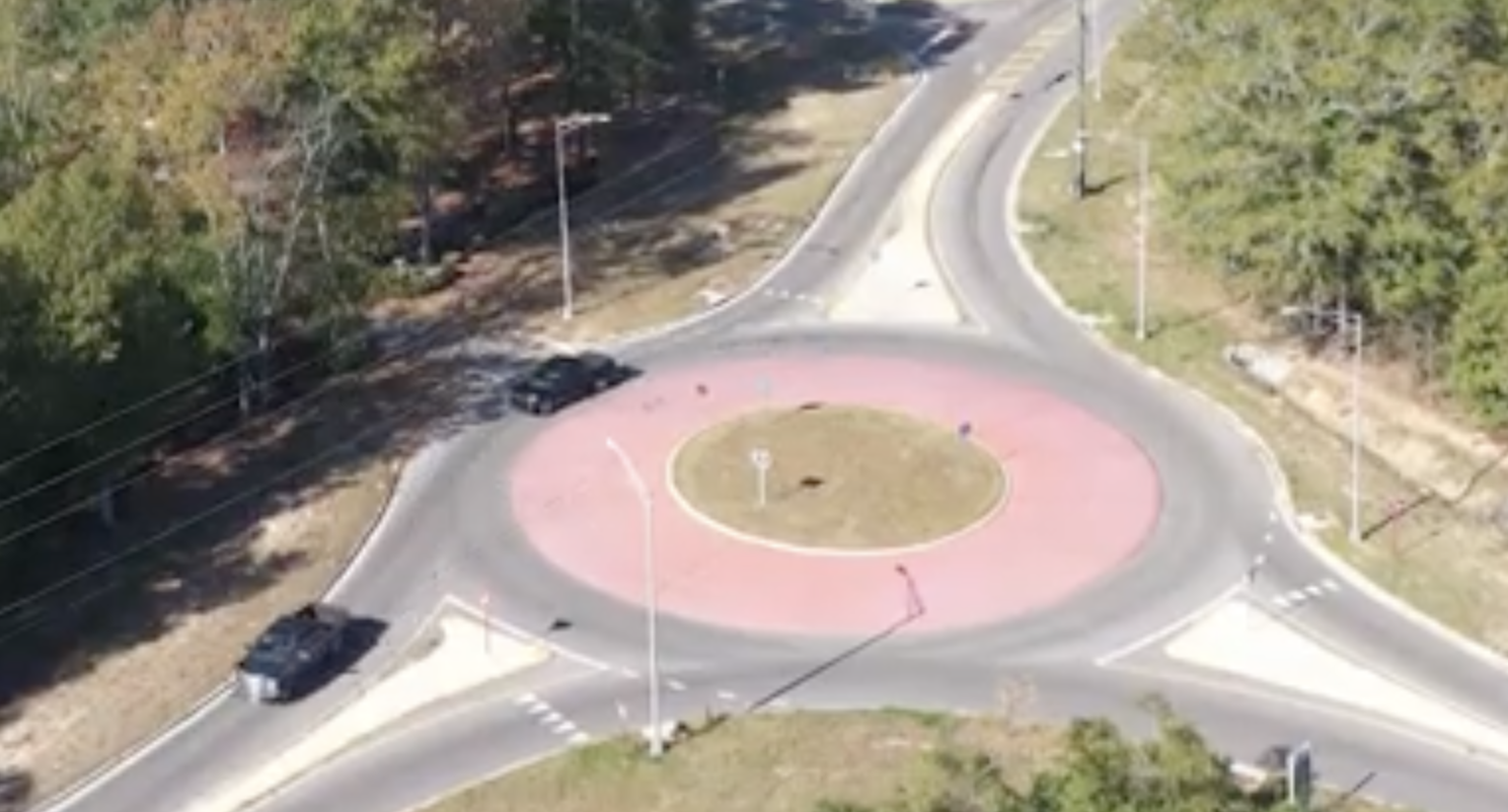
Video: New Roundabout Under Construction at McIver and Old Florence Roads in Darlington County
Bridge Replacement at Amsterdam Centraal Station
June Issue 2026
.jpg?width=225)